Hollow ThistleRANCH · SOUTH TEXAS
Menu
Native ecology

A working landscape.
Room for other lives.

Native plants, pollinators, birds, and wildlife share the landscape with agricultural work. Paying attention to that life is part of tending the ranch.
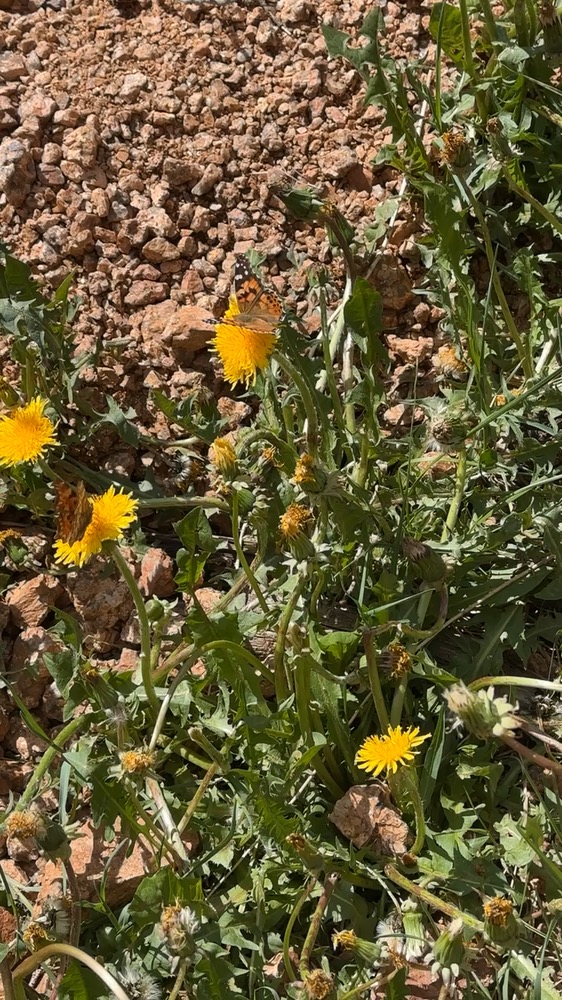
Butterfly observed at Hollow Thistle Ranch
Life in motion within the working landscape.
Habitat & observation

Notice what the
land supports.

Flowering, forage, pollinator activity, and wildlife are connected to the places we work. The small details deserve a closer look.

A familiar place can still give us something new to notice.

Native life in the journal ↗
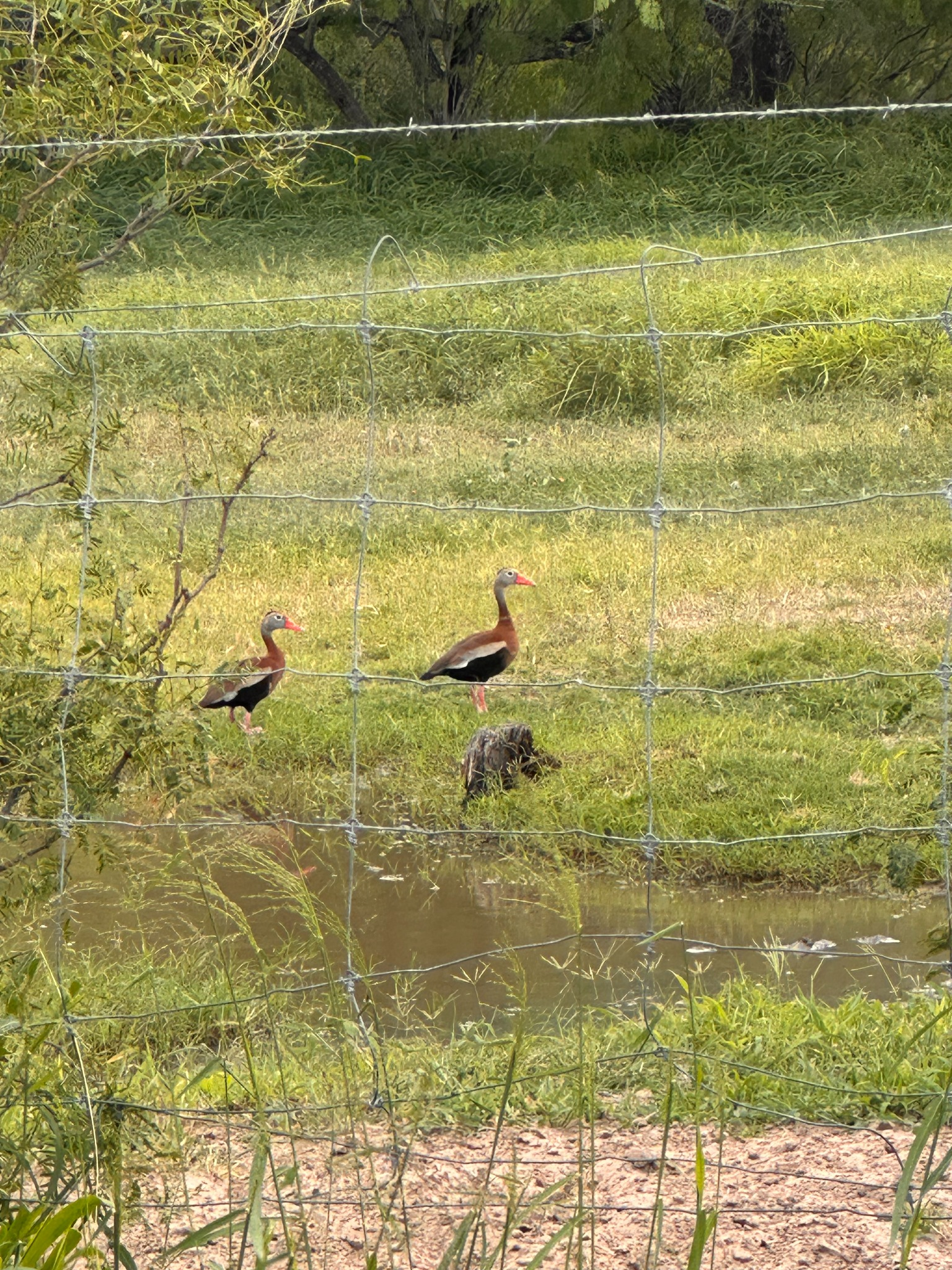
Two whistling ducks beside standing water, with ranch fencing and vegetation
Whistling ducks beside the water.
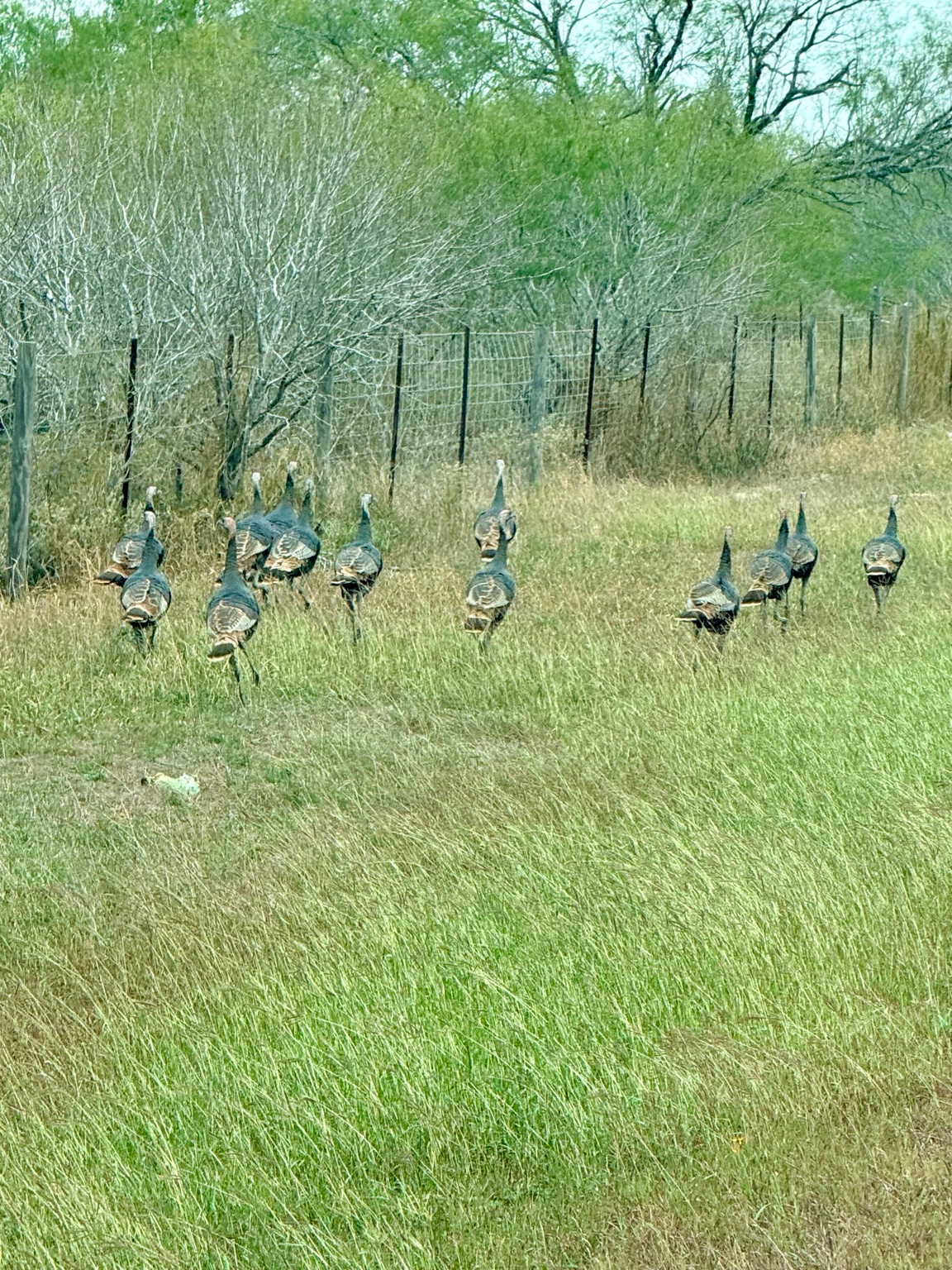
Turkey flock moving through pasture beside the ranch fence and tree line
A flock moving through the pasture.
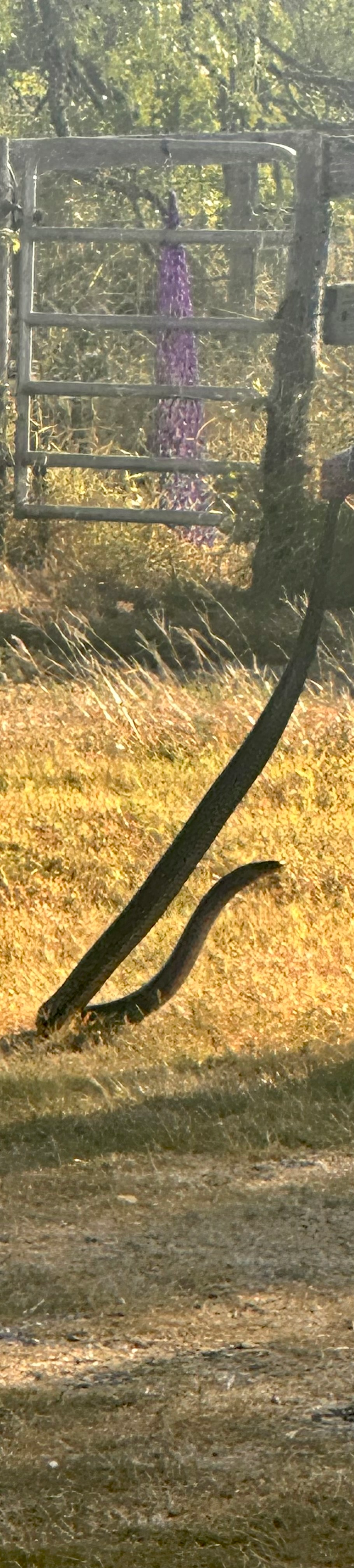
Cropped documentary view of a snake beside a diagonal ranch gate support
An encounter at the gate.
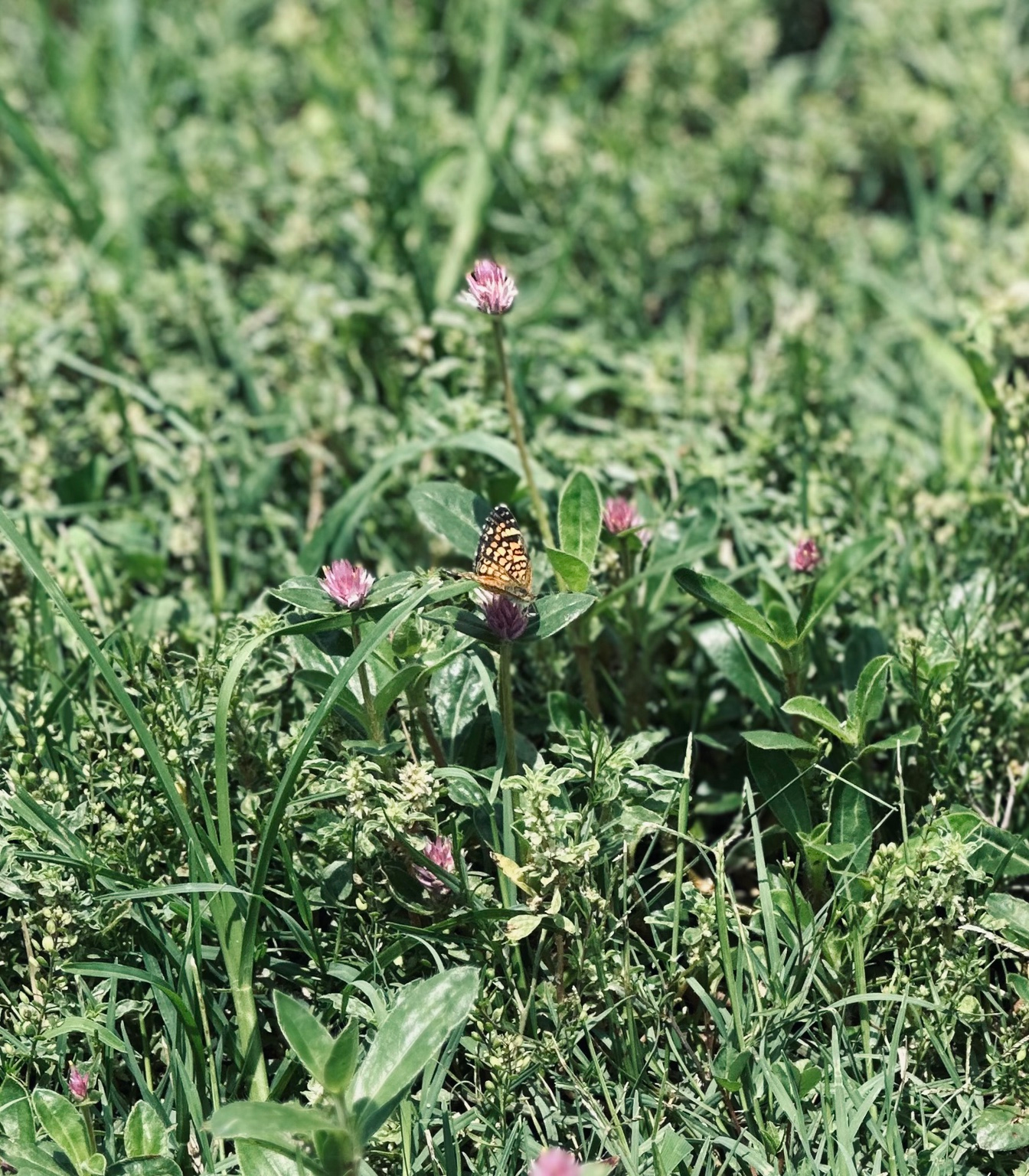
Butterfly on a small purple flower amid mixed pasture vegetation
A butterfly among flowering vegetation.
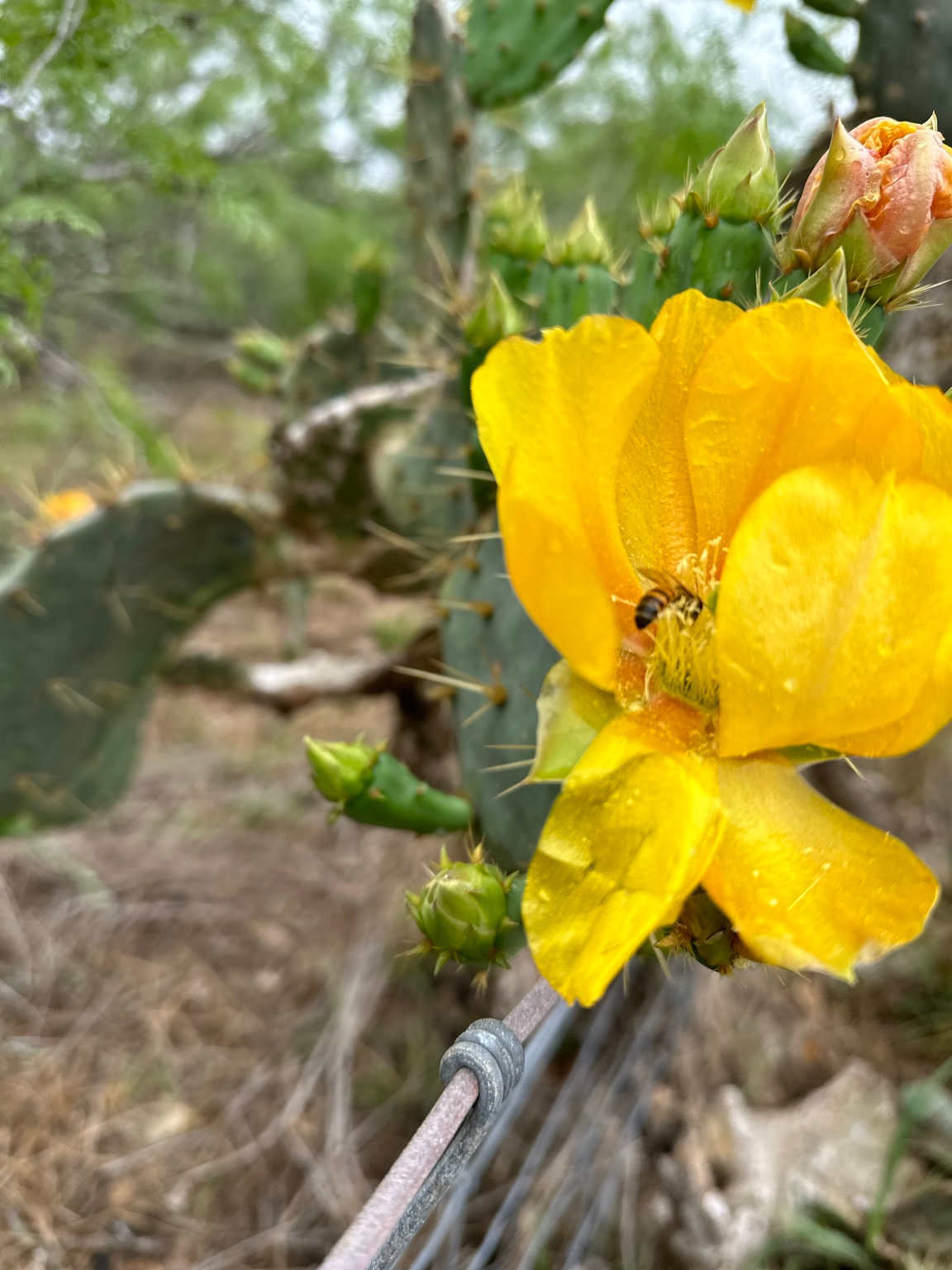
Bee inside a yellow prickly pear bloom with cactus pads and fence wire in the same frame
A bee in the bloom, beside the wire.
Tending what is here. Looking ahead.

Considered in relation to the land.

LEARNING THE LAND

Native habitat

Learning what is here and how its presence changes with conditions and seasons.

PLANNED

The cutting garden

A planned native-plant and flowering cutting garden, considered alongside habitat and the practical work of tending it.

UNDER CONSIDERATION

Beekeeping & production

Beekeeping and other compatible production may develop where they fit the ecology and our capacity.
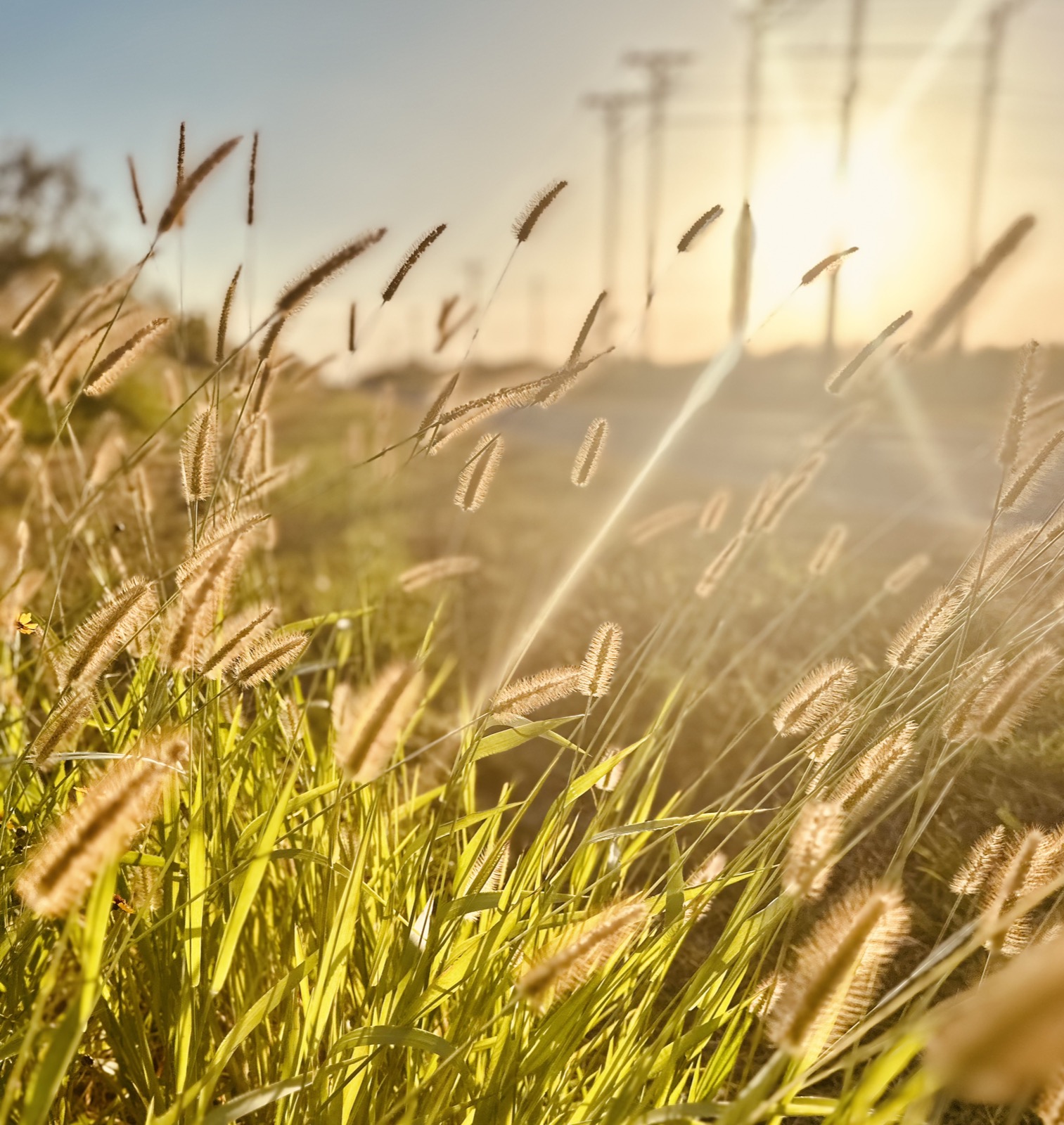
Backlit grass seedheads with utility lines beyond
Seedheads in the evening light.
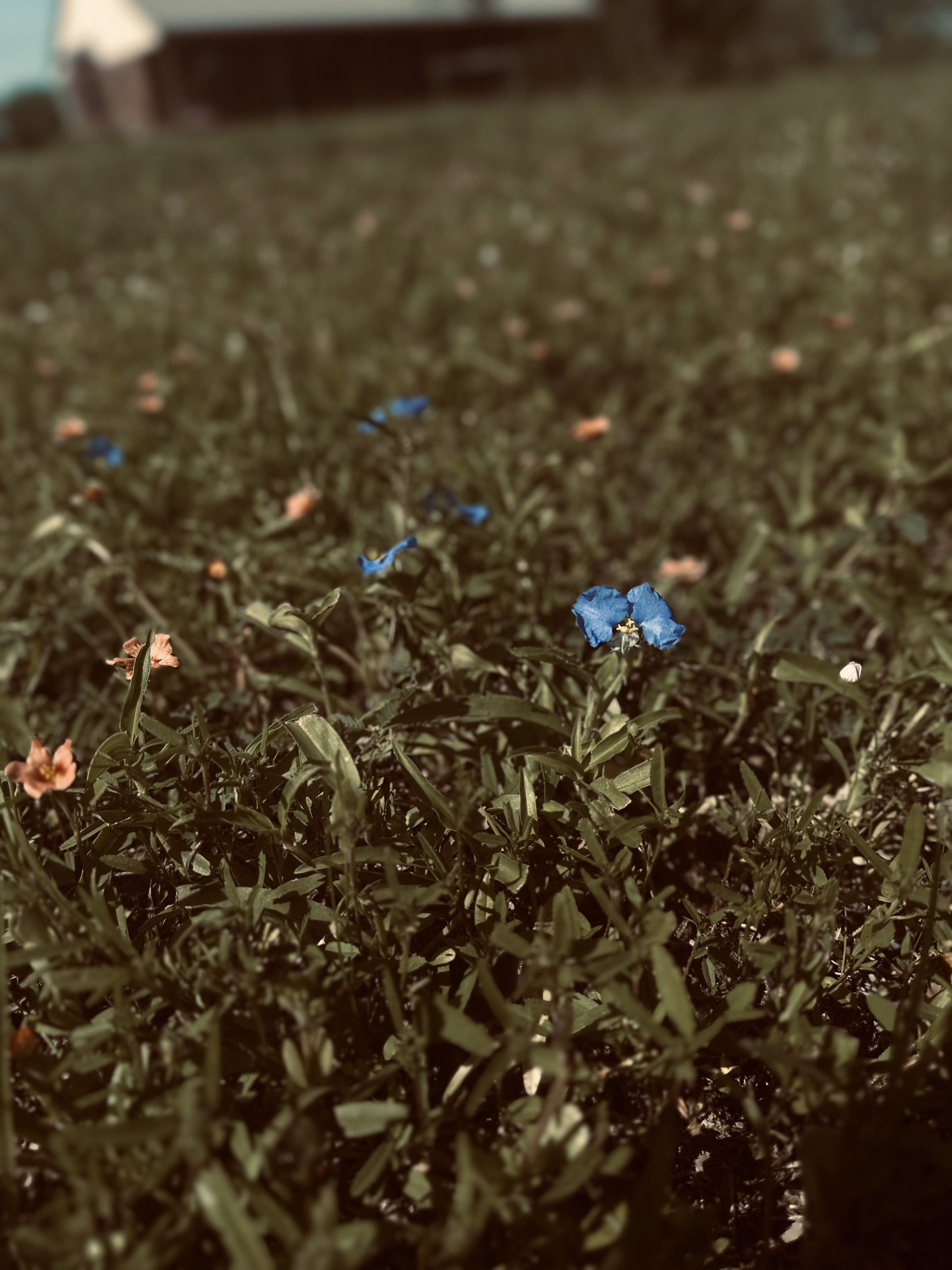
Small blue wildflowers among low-growing ranch vegetation
Blue flowers among the ground cover.

Look first.
Learn over time.

Returning to an observation, with its date, conditions, and photographs, can help us see more than a single visit allows.

How observation supports learning ↗