Build context over time.
Follow weather, water, soil, forage, livestock, and native life by looking again and keeping the notes together.
The questions begin in ranch work: livestock, forage, water, weather, and management decisions. We return to those questions as the seasons and the work change.
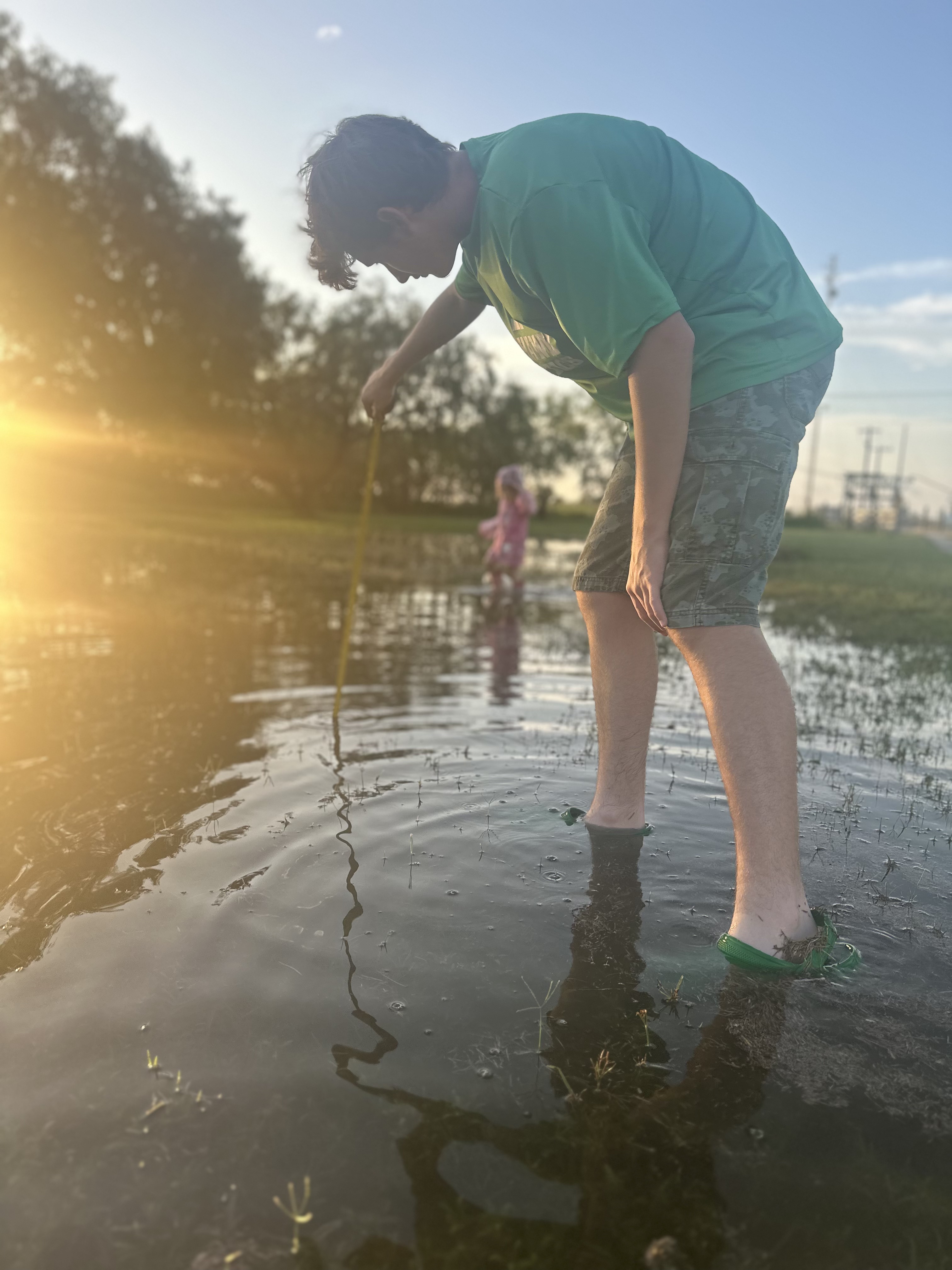
What changed? What were we doing at the time? What happened next?
The Land After Rain records standing water and asks what repeated observations could clarify. The field note about heat and forage connects seasonal conditions with practical costs.
Read The Land After Rain ↗Follow weather, water, soil, forage, livestock, and native life by looking again and keeping the notes together.
We want to plan trials around real ranch questions: decide what to test, keep a useful comparison, and watch what changes.
Records, demonstrations, and eventual research or publication could help others make use of what is learned here.
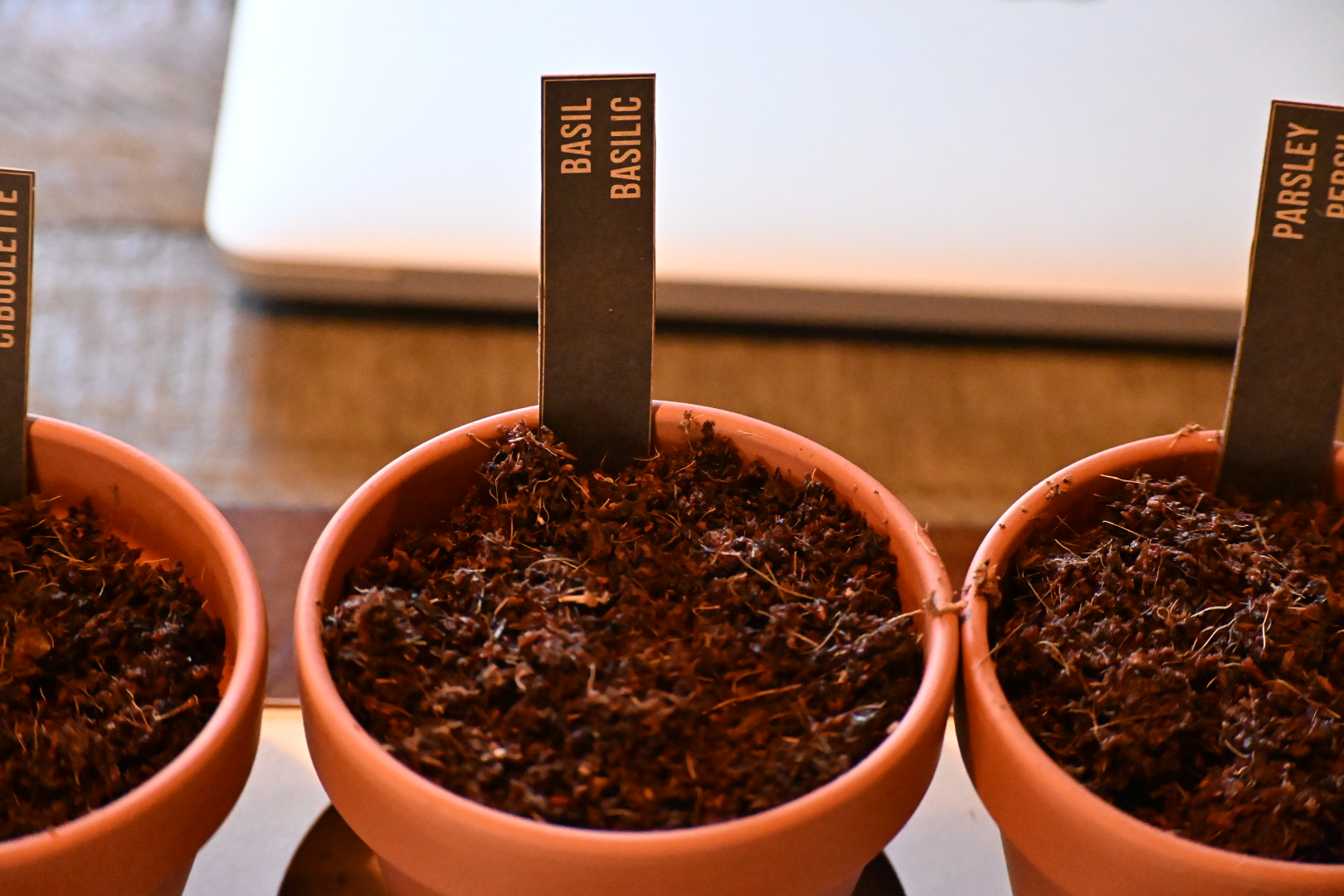
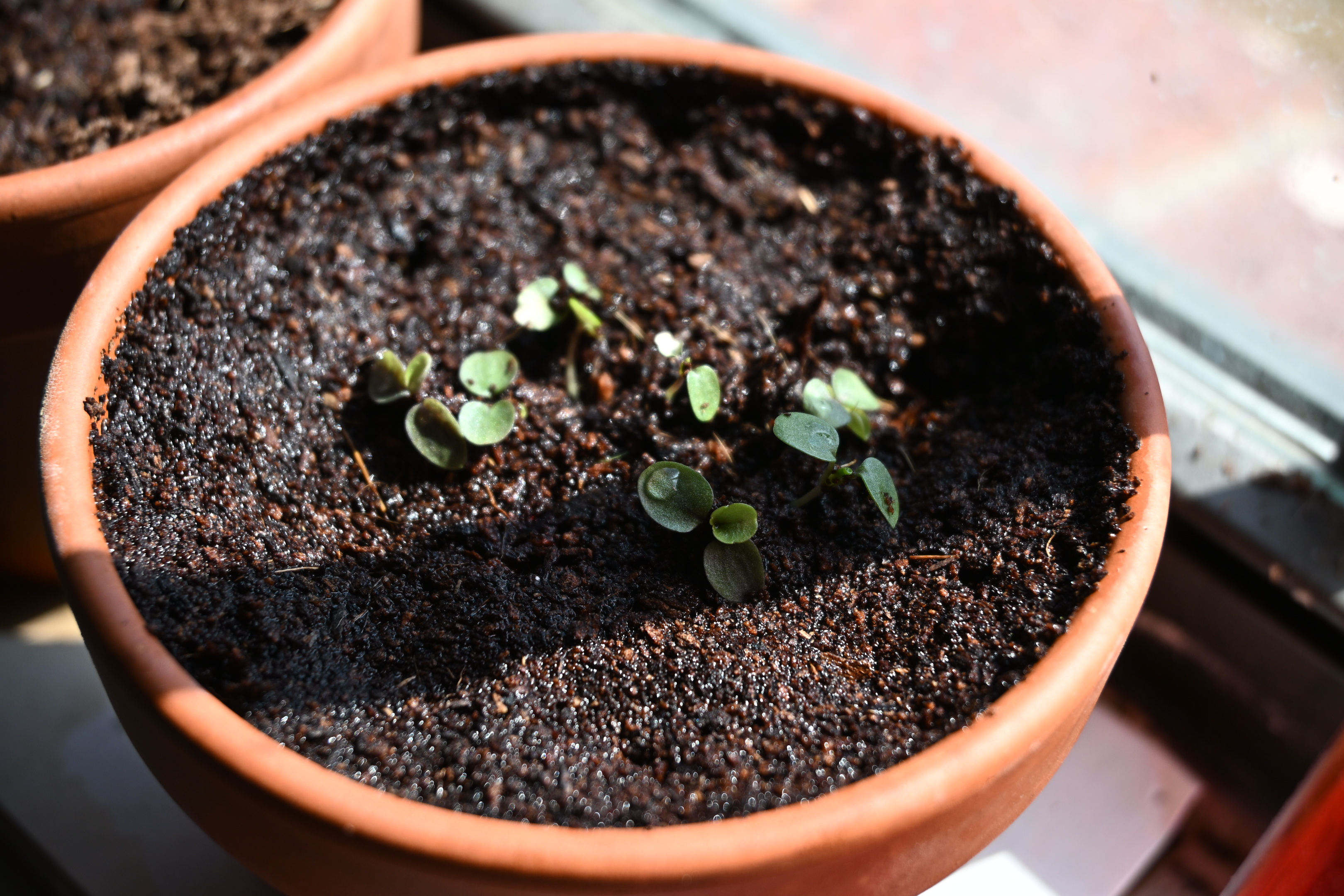
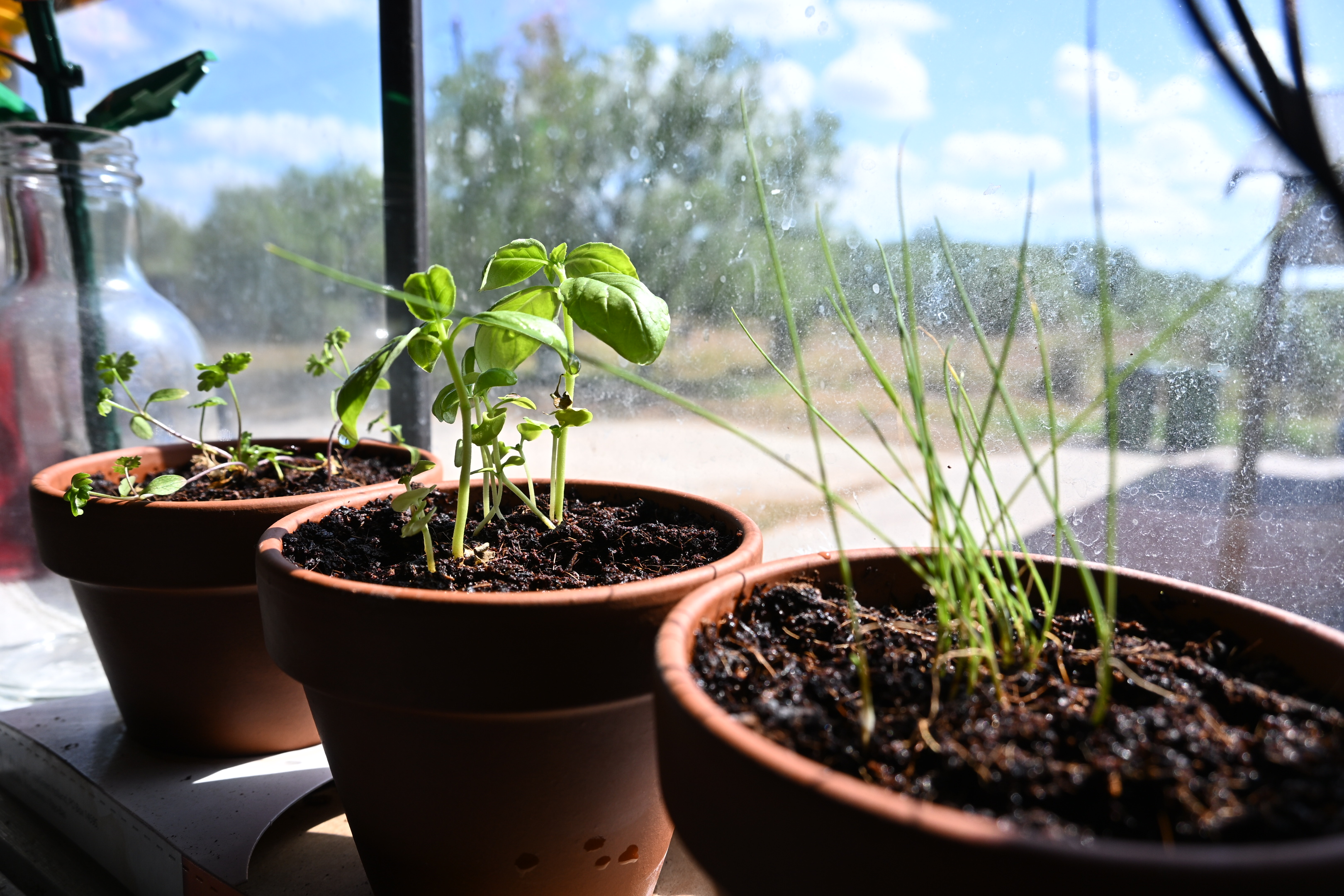
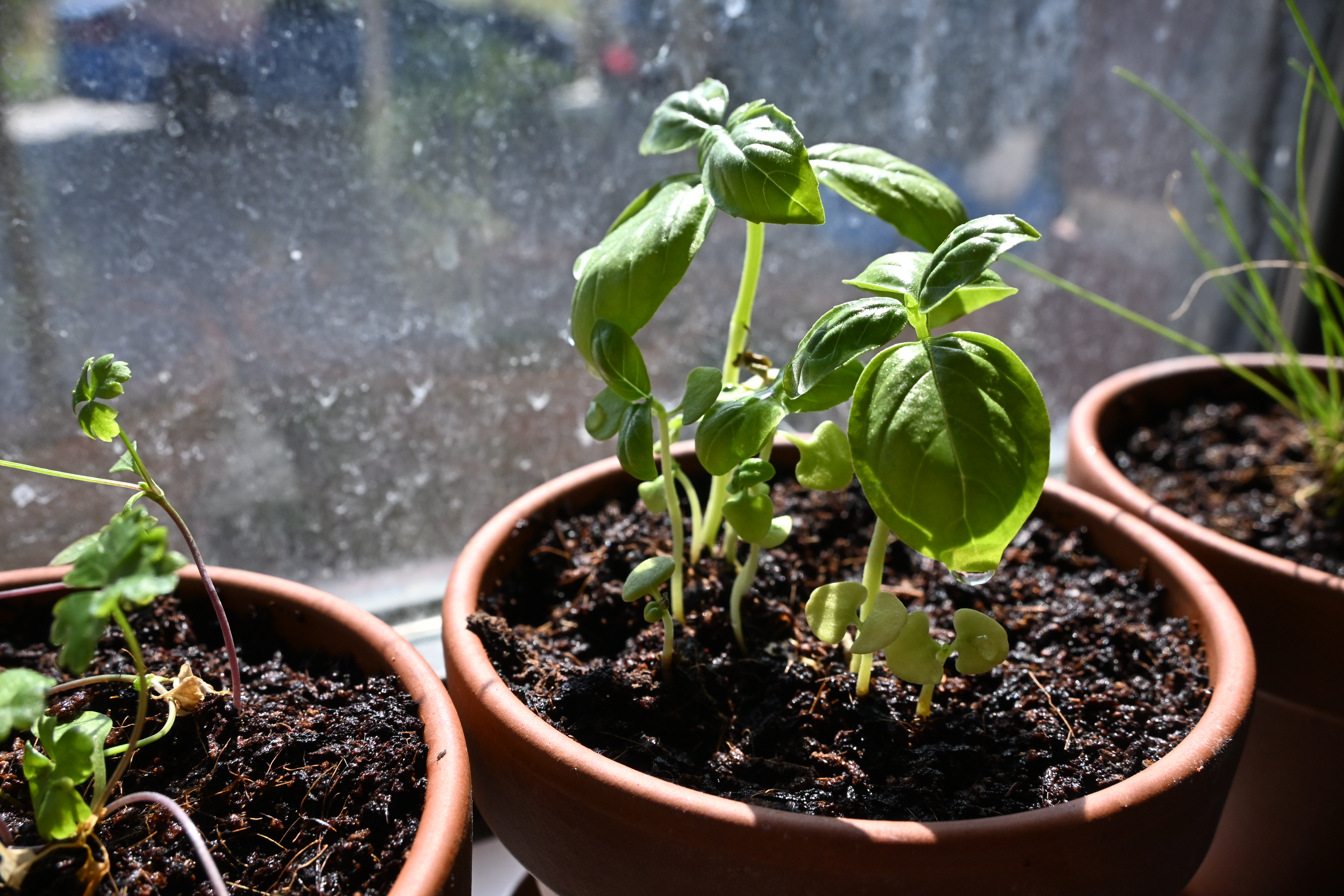
One observation becomes more useful when we return to it.
Work together on questions that need sustained attention, from field visits to studies that follow change over years.
Compare approaches to practical ranch questions, plan trials, and share lessons that other producers can adapt.
Field experiences in which the ranch itself can function as the classroom, connecting observation, agriculture, ecology, and responsibility.
Workshops, demonstrations, and opportunities to share the work and its questions with a wider community.
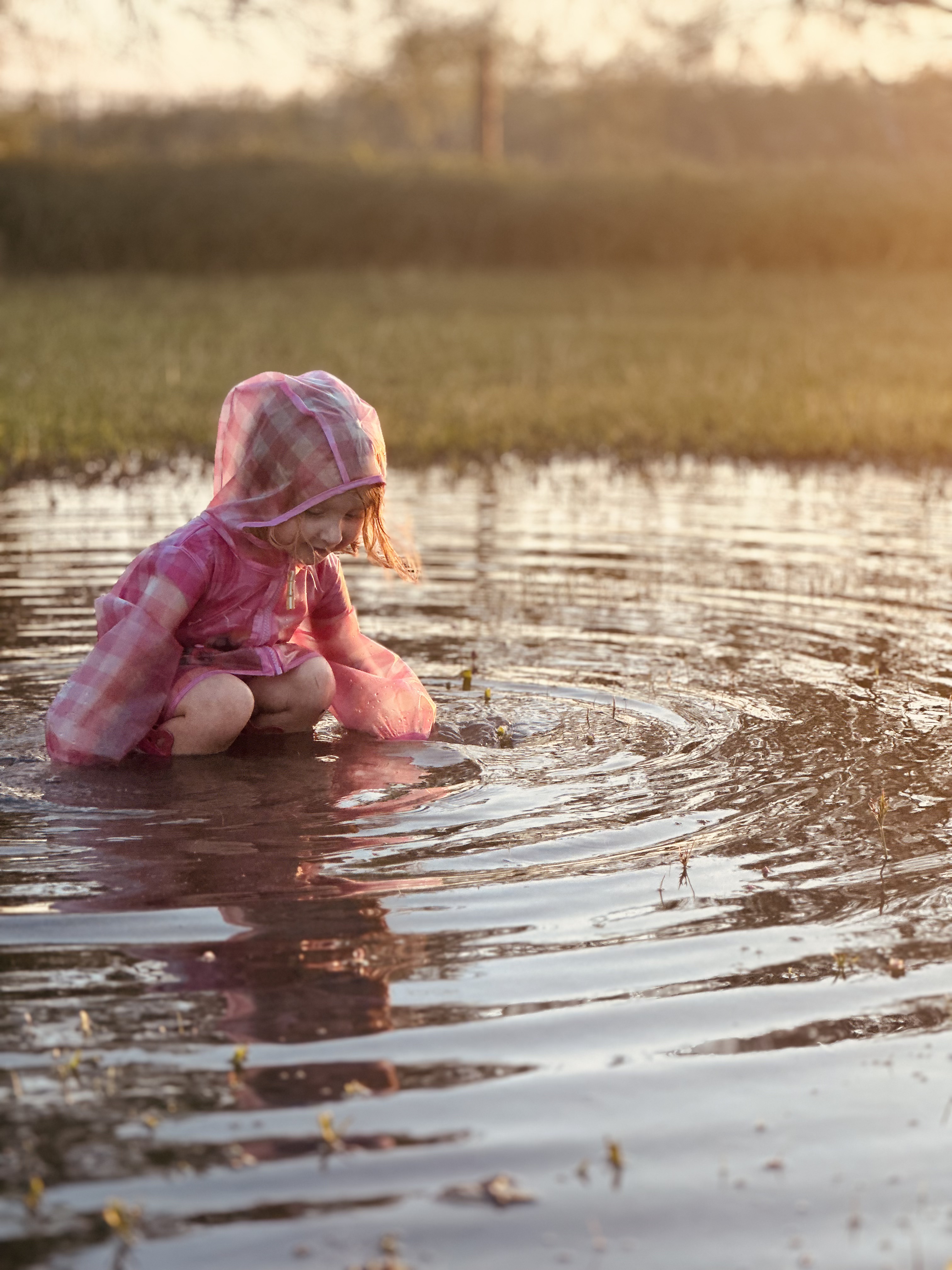
These are plans for future collaborations. No partnerships or public programs are in place yet.
Discuss a research or learning idea